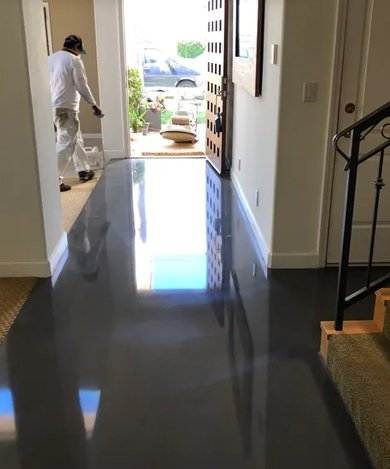
Polished concrete is often valued for its clean appearance, durability, and low-maintenance surface. It can work in many parts of a home or building, but not every room has the same needs. Moisture, comfort, slip resistance, and design goals all affect whether it is the right flooring choice.
How Polished Concrete Works in Different Spaces
Polished concrete is created by grinding, refining, and densifying a concrete slab until it reaches the desired smoothness and sheen. The result can range from a soft matte finish to a highly reflective surface, depending on the level of polishing and the condition of the slab.
In rooms with strong existing concrete, the surface can often be transformed without adding another flooring material. This can make it practical for open-plan areas, hallways, living spaces, and work areas where durability matters.
Resources such as Concrete Perfection can help explain how slab preparation, aggregate exposure, and finish level affect the final result.
Rooms Where Polished Concrete Often Performs Well
Many rooms are well suited to polished concrete because they benefit from a hard, seamless, and easy-to-clean floor. The surface does not trap dust in the same way as carpet, and routine care is typically straightforward.
-
Living rooms with modern, minimal, or industrial design styles
-
Kitchens where spill resistance and simple cleaning are priorities
-
Hallways and entry areas that receive regular foot traffic
-
Home offices, studios, and utility spaces
-
Basements with a suitable slab and proper moisture control
For these areas, polished concrete can provide a practical balance of function and style. It also pairs well with rugs, wood accents, and soft furnishings when a warmer interior feel is desired.
Bathrooms, Laundries, and Other Wet Areas
Wet rooms require careful planning. Polished concrete can be used in bathrooms, laundries, and similar spaces, but moisture management is essential. Proper sealing, drainage, and surface texture help reduce the risk of water absorption and slipping.
A highly glossy finish may look attractive, but it may not be the best choice where water is frequently present. A lower-sheen finish with appropriate slip resistance can be more practical for everyday use.
Key Wet Area Considerations
-
Moisture testing before work begins
-
Suitable sealer selection for exposure conditions
-
Correct floor falls near drains
-
Slip-resistant finishing where needed
-
Regular cleaning to prevent soap residue buildup
Bedrooms and Comfort Considerations
Polished concrete can be installed in bedrooms, but comfort is a personal factor. Concrete feels firm underfoot and may feel cool in certain climates or seasons. Area rugs, underfloor heating, and layered furnishings can soften the room and improve comfort.
For people who prefer a quiet, cushioned bedroom floor, polished concrete may need thoughtful styling. It can still work well when the goal is a clean, uncluttered, and long-lasting surface.
Existing Slab Condition Matters
The success of polished concrete depends heavily on the existing slab. Cracks, stains, uneven areas, old coatings, and moisture issues can affect the final appearance and performance. Some imperfections can be repaired, while others may remain visible as part of the floor’s character.
New slabs also need proper placement, curing, and finishing if polishing is planned later. Decisions made during construction can influence aggregate exposure, flatness, color consistency, and long-term performance.
When Another Flooring May Be Better
Polished concrete is not always the ideal answer. In rooms where softness, sound absorption, or warmth are the top priorities, other flooring types may be more suitable. Children’s playrooms, certain bedrooms, and spaces used for floor-based activities may require extra comfort planning.
It may also be less practical if the slab is badly damaged, has severe moisture problems, or cannot be ground to the desired finish. In those cases, surface preparation costs and repair limits should be considered carefully.
Planning a Room-by-Room Flooring Decision
Polished concrete can be installed in many rooms, but each space should be assessed on its own. The best results come from matching the finish to the room’s purpose, moisture level, traffic, comfort needs, and design style.
With the right slab conditions and finish selection, polished concrete can be a durable and attractive flooring option across much of a property. The key is not assuming every room has the same requirements.