Understanding the Shape and Structure
The barrel sauna’s rounded walls create a natural convection pattern. As warm air rises from the heater, it curves along the ceiling and then descends evenly along the sides. This continuous flow minimizes cold spots, ensuring the temperature remains consistent from floor to ceiling.
Unlike rectangular saunas, which often trap heat in corners, the curved design eliminates dead zones. The result is a quicker warm-up time and more efficient energy use, as every cubic inch of space contributes to maintaining the desired temperature.
Material Efficiency and Heat Retention
Most barrel saunas are crafted from dense, moisture-resistant wood. This material choice plays a major role in heat retention and durability. The tight wood staves expand slightly when heated, sealing the structure and preventing heat loss through gaps. The effect is a naturally insulated chamber that keeps warmth circulating evenly.
Because of this efficient design, the heater doesn’t need to work as hard to maintain the optimal temperature. This not only improves energy efficiency but also extends the lifespan of the sauna components.
Air Circulation and Comfort
Proper air movement is essential for comfort and safety during a sauna session. In a barrel sauna, the air naturally circulates without mechanical assistance. The rounded ceiling guides the flow, promoting consistent oxygen levels and reducing the likelihood of hot or cold pockets.
This steady airflow also enhances the feeling of relaxation. Users experience an enveloping warmth that feels balanced rather than scorching, allowing longer and more comfortable sessions. This design efficiency pairs well with outdoor settings, especially when combined with natural relaxation spaces such as a Backyard Canada installation.
Compact Design and Outdoor Integration
Another benefit of the barrel shape is its compact footprint. The cylindrical form uses less material while offering generous interior space. It can easily fit into diverse outdoor environments, complementing landscaping and other wellness features.
Its aerodynamic form also reduces resistance to wind and snow accumulation, which helps maintain structural integrity over time. This makes it highly suitable for varied climates and backyards, where durability and efficiency are essential.
Practical Considerations for Installation
Installing a barrel sauna requires attention to base stability and ventilation. A level surface, such as gravel or pavers, ensures proper support. Adequate spacing around the unit allows air to circulate outside the structure, preventing moisture buildup.
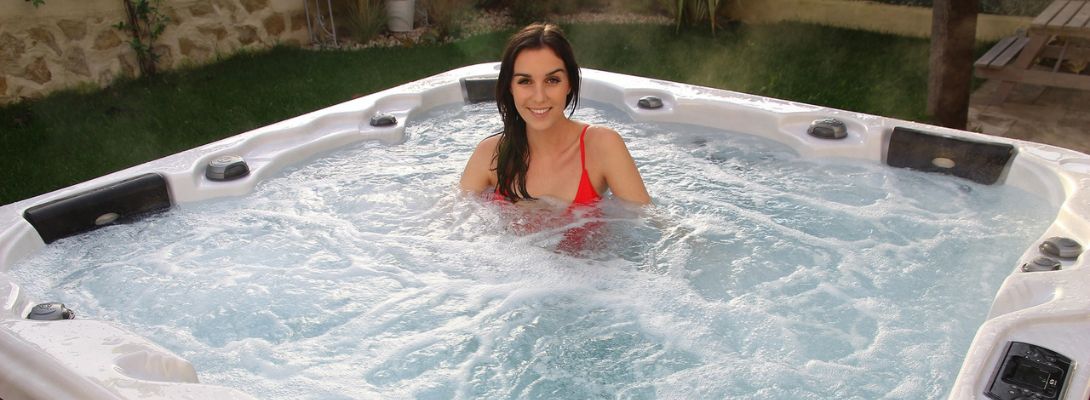
When placed near other amenities like a hot tub, the design encourages a seamless wellness experience. Moving between the sauna and outdoor relaxation areas can enhance circulation, improve recovery, and provide a holistic approach to well-being.
Maintaining Heat Circulation Over Time
Regular care helps preserve the sauna’s performance. Checking for wood expansion, tightening metal bands, and keeping vents clear ensures that airflow remains balanced. Periodic cleaning of the heater and benches also supports consistent heat circulation.
Wood conditioning oils can be applied to the exterior to protect against moisture and UV exposure. These simple steps keep the sauna operating efficiently and looking appealing for years.
Why Barrel Saunas Stand Out
The combination of shape, material, and airflow makes the barrel sauna one of the most efficient designs for heat circulation. Its compact form, energy efficiency, and natural convection pattern create a balanced and enjoyable environment. Whether used beside a water feature or a custom-built relaxation area, its design continues to set a high standard for both performance and comfort.