Balancing growth with profitability is a constant challenge for organizations. Expanding into new markets or increasing production often requires significant investment, yet maintaining healthy margins remains essential. Strategic planning supported by effective technology can make this balance achievable.
Understanding the Importance of Integration
Sales and operations planning provides a structured approach to align demand, supply, and financial goals. When teams use integrated systems, they can see how decisions in one area affect the entire business. This alignment helps prevent costly mismatches between production capacity and customer demand.
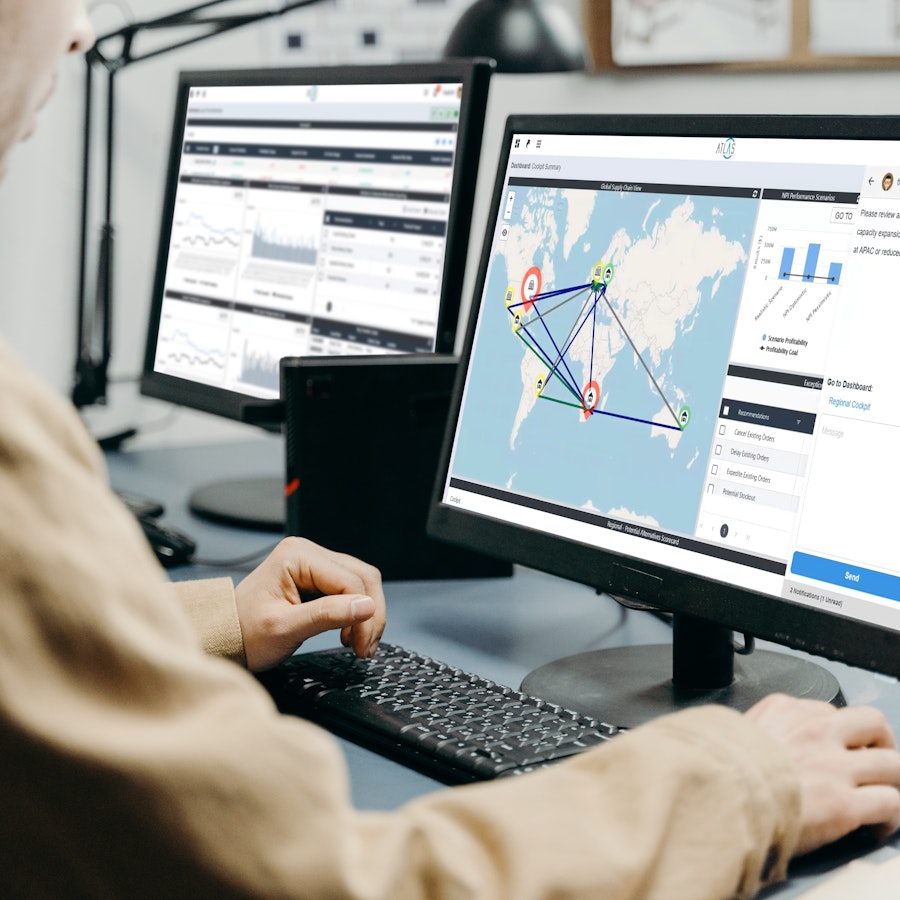
Modern s&op software brings together data from multiple departments, turning isolated insights into a unified plan. It allows decision-makers to evaluate trade-offs between revenue growth and cost efficiency with greater accuracy.
Enhancing Forecast Accuracy with Data-Driven Insights
Reliable forecasts are the foundation of any effective planning process. Inaccurate predictions can lead to overproduction, excess inventory, or missed sales opportunities. Advanced analytics and predictive modeling improve the accuracy of these forecasts, reducing uncertainty.
Organizations often pair demand forecasting tools with collaboration platforms to ensure that planners, finance teams, and operations managers all work from the same assumptions. This shared visibility supports faster adjustments when market conditions change.
Balancing Growth Objectives with Profit Margins
Rapid growth can strain resources, while focusing solely on efficiency may limit expansion. The key lies in finding a balance that supports sustainable performance. By modeling different scenarios, leaders can identify the most profitable path forward without compromising service levels.
Using connected planning systems, businesses can simulate the impact of new product launches, pricing changes, or supplier shifts. This scenario planning enables proactive decision-making rather than reactive responses to market fluctuations.
Key Factors That Influence the Balance
- Market demand variability and seasonality
- Production capacity and supply chain constraints
- Inventory policies and working capital targets
- Customer service commitments and lead times
- Cost structures and pricing strategies
Improving Collaboration Across Functions
One of the greatest strengths of modern planning systems is their ability to connect departments that traditionally operated in silos. Sales, marketing, operations, and finance teams can all access real-time information, ensuring that plans remain synchronized.
This transparency fosters trust and accountability, as every team can see how their goals contribute to overall business performance. When everyone works toward shared metrics, it becomes easier to balance revenue ambitions with profitability targets.
Adapting to Changing Market Conditions
Markets evolve quickly, influenced by shifts in consumer behavior, supply chain disruptions, and economic pressures. Businesses that rely on static plans risk falling behind. Continuous monitoring and flexible planning cycles allow organizations to respond faster to these changes.
With advanced systems, decision-makers can update assumptions, assess risks, and reallocate resources in near real time. This agility strengthens resilience while protecting margins during periods of uncertainty.
Building a Sustainable Planning Culture
Technology alone cannot ensure success. Companies that excel in balancing growth and profitability invest in people, processes, and data governance alongside their digital tools. A disciplined approach to planning creates a culture of accountability and continuous improvement.
Over time, this culture leads to more reliable performance, greater cross-functional coordination, and a clearer understanding of how strategic decisions influence both short-term results and long-term value creation.
Creating Long-Term Business Value
By combining accurate forecasting with integrated planning, organizations can pursue growth opportunities without compromising profitability. The right blend of analytical insight, collaborative planning, and disciplined execution ensures that expansion efforts remain sustainable.
As markets continue to change, companies that embrace a balanced approach supported by strong planning systems will be better positioned to achieve consistent performance and long-term success.